
Key Points:
- Multi-level buildings need planned antenna placement for steady indoor cellular coverage.
- Concrete, steel, glass, and elevator shafts can weaken signals between floors.
- Site surveys help identify weak zones, cable routes, and practical equipment locations.
- Balanced antenna layouts reduce sudden drops between strong and weak coverage areas.
- Signal levels should be adjusted carefully to avoid overlap and poor performance.
- Installation quality affects signal strength, reliability, and future maintenance work.
- Testing should include offices, hallways, garages, stairwells, and floor transitions.
- Clear drawings and test records make future upgrades and troubleshooting easier.
- Scalable planning helps the system handle new tenants and higher device demand.
Multi-level commercial buildings in San Antonio can make indoor cellular coverage difficult. Concrete floors, steel framing, elevator shafts, stairwells, and mechanical rooms can weaken signals as they move through the property. A phone may work well near a window but lose service in a hallway, garage, or interior office. These uneven signal levels can interrupt calls, slow mobile work, and make daily communication less reliable for staff, tenants, and visitors.
A distributed antenna solution can improve coverage by bringing usable cellular signals closer to people and devices inside the building. However, good results depend on careful planning, not simply placing antennas on every floor. Teams must study the layout, find weak areas, choose practical cable routes, and balance signal levels across connected spaces. When these steps are handled well, users get smoother coverage as they move between floors, rooms, and shared areas.
DAS Installation for Multi-Level Signal Distribution
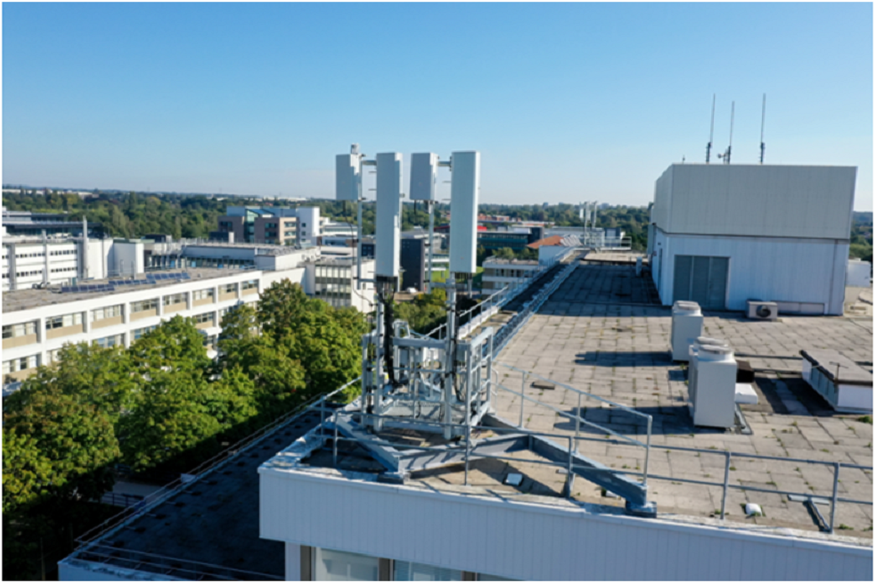
Effective DAS antenna installation begins with placing antennas where they can support useful areas without causing too much overlap. Designers review floor plans, ceiling conditions, room use, and known signal barriers before choosing locations. Antennas may be needed near interior offices, elevator lobbies, hallways, parking levels, or shared spaces. The aim is to create smooth coverage between zones, so calls and mobile data stay stable as users move through the building.
Antenna locations must also allow easy access for future service. Equipment hidden above a difficult ceiling or placed near crowded building systems can be hard to inspect later. Installers should coordinate with lighting, sprinklers, security equipment, and mechanical services before work begins. Clear access makes testing, repairs, and upgrades easier. It also reduces the chance that antennas will be moved or damaged when other contractors work in the same ceiling area.
Read More: From Concept to Deployment: A Practical Guide to Building AI Agents
Why Signals Weaken Between Commercial Floors
Each floor in a commercial building can affect cellular signals in a different way. Upper levels may receive strong outdoor coverage, while lower floors and interior rooms struggle. Concrete slabs, metal decking, coated glass, and fire-rated walls can block or reflect radio signals. Elevator shafts and stairwells may also cause sudden changes in coverage. Because these barriers are spread throughout the property, weak signals often appear in separate pockets instead of one large area.
Daily building use can make these weak areas more obvious. Meeting rooms may fill during busy periods, employees may depend on mobile apps, and visitors may use several devices at once. A space that works well when empty may perform poorly under heavier demand. Property teams should therefore consider both the building structure and normal activity. Knowing where people gather, move, and work helps create a plan based on real use.
Site Surveys That Guide Better Installation Decisions
A professional site survey replaces guesswork with clear measurements. Technicians check outdoor and indoor signal strength, compare carrier performance, and note the rooms or routes where service drops. They also inspect risers, telecom rooms, ceiling access, and possible cable paths. These findings show what the building can support. The design team can then choose equipment locations and installation steps based on real conditions rather than relying only on floor plans.
The survey should also consider how the property is used. A hotel, medical facility, office tower, and warehouse may have very different traffic patterns even when they are similar in size. Busy lobbies, conference floors, loading areas, and parking levels may need more attention. By matching signal readings with daily activity, the project team can focus spending on the areas that matter most and avoid adding equipment where it offers little value.
How the Antenna System Shares Cellular Signal

A DAS antenna system uses several connected antennas to spread cellular coverage through a building. Instead of relying on one strong source to reach every floor, the network carries the signal through planned routes and delivers it in selected areas. This helps improve service in deep interior rooms and lower levels that outdoor towers may not reach well. Users also stay closer to an indoor antenna as they move around the property.
Signal balance matters across the whole network. If one antenna sends too much power, it may affect nearby coverage areas. If another receives too little, users may still face weak calls or slow data. Designers consider cable length, signal loss, floor materials, and antenna type when setting levels. A balanced design helps connected zones work together and reduces sudden changes between strong and weak service only a few rooms apart.
Installation Quality Across Connected Floors
The quality of DAS antenna installation directly affects how well the finished network works. Loose connectors, damaged cable, sharp bends, poor labels, or unprotected routes can weaken signal delivery and make repairs harder. Installers should follow the approved design, protect each cable path, and keep equipment organized in telecom spaces. Careful work reduces signal loss and helps every planned antenna receive the level needed to support reliable indoor coverage across connected floors.
Read More: Streamlining Product Development with ALM Solutions, Services, and Consulting
Coordination is especially important in occupied properties. Access hours, tenant schedules, security rules, and ceiling restrictions can affect how work moves from one floor to another. A clear plan helps crews complete cable routes, mount equipment, test connections, and restore work areas with less disruption. Regular updates also help property teams prepare staff, manage restricted spaces, and solve building concerns before they cause delays or require expensive return visits during normal business hours.
Testing Coverage and Preparing for Future Demand
Testing shows whether the installed network works as planned. Technicians measure signal quality in offices, hallways, stairwells, garages, and other important areas. They also test movement between floors and coverage zones while making calls or using mobile data. The results can reveal weak points, too much overlap, or settings that need adjustment. Testing before final closeout gives the team time to correct problems while access and project knowledge are still available.
A scalable DAS antenna system should also support future changes in demand. New tenants, larger teams, renovated floors, and heavier mobile use can place more pressure on indoor coverage. Organized cable routes, accurate records, and easy equipment access make later upgrades simpler. Property managers should keep final drawings and test results so future technicians can understand the network quickly. This preparation helps the building expand without repeating the full design and installation process.
Reliable Coverage Starts With Careful Planning
Better signal distribution across a multi-level commercial building comes from a complete process. Surveys identify the real weak areas, design workplace coverage where people need it, skilled installation protects signal quality, and testing confirms the result. When each step supports the next, users experience fewer dead zones and smoother service between floors. Property teams also gain a network that is easier to understand, maintain, and adjust as their needs change.
CMC Communications supports San Antonio commercial properties with DAS planning, RF design, installation, and pre- and post-installation testing. Their team can review building conditions, coverage problems, carrier needs, and future growth before suggesting a practical solution. By combining technical planning with organized fieldwork and clear project records, they help owners improve indoor cellular service across offices, hotels, healthcare sites, warehouses, garages, and other complex multi-level facilities with less disruption to daily operations.
Frequently Asked Questions
Question: Why do cellular signals often weaken on lower floors?
Answer: Lower floors are surrounded by more concrete, steel, and interior walls. They may also be farther from outdoor signal sources. Parking levels, service hallways, and rooms near elevator shafts are especially likely to have weak or uneven coverage.
Question: How are antenna locations chosen inside a large building?
Answer: Designers use signal readings, floor plans, room use, building materials, and expected device demand. They choose locations that improve important coverage areas while limiting overlap and keeping equipment easy to reach for future testing and maintenance.
Question: Can one indoor antenna cover several floors?
Answer: Sometimes one antenna may support nearby spaces, but using a single unit for several floors often creates uneven results. Concrete slabs and structural materials can block signals, so multi-level properties usually need a planned network of antennas.
Question: When should indoor cellular coverage be tested again?
Answer: Testing is useful after major renovations, tenant changes, equipment moves, or a rise in user complaints. Regular checks can also find damaged parts or gradual performance changes before they become larger communication problems.
Question: Will the system support more devices in the future?
Answer: It can, if the original design includes enough capacity, practical cable routes, and upgrade options. Accurate drawings and test records also make expansion easier because technicians can see how the current network was built and where new coverage may be needed.
 From Concept to Deployment: A Practical Guide to Building AI Agents
  Streamlining Product Development with ALM Solutions, Services, and Consulting
  How an Answering Service Can Simplify Scheduling and Site Coordination for General Contractors in NYC
  Methods for Verifying Email Address Owner Details
  Why Mobile App Is Important For Your Business?
  What are the top things that guests love the most about a hotel?
  AI Agent for Customer Support: Transforming Enterprise Customer Service
  How DAS Antenna Installation in San Antonio Improves Signal Distribution Across Multi-Level Commercial Facilities
  The Editor’s Dream: User Experience in an Advanced CMS for Media Companies